
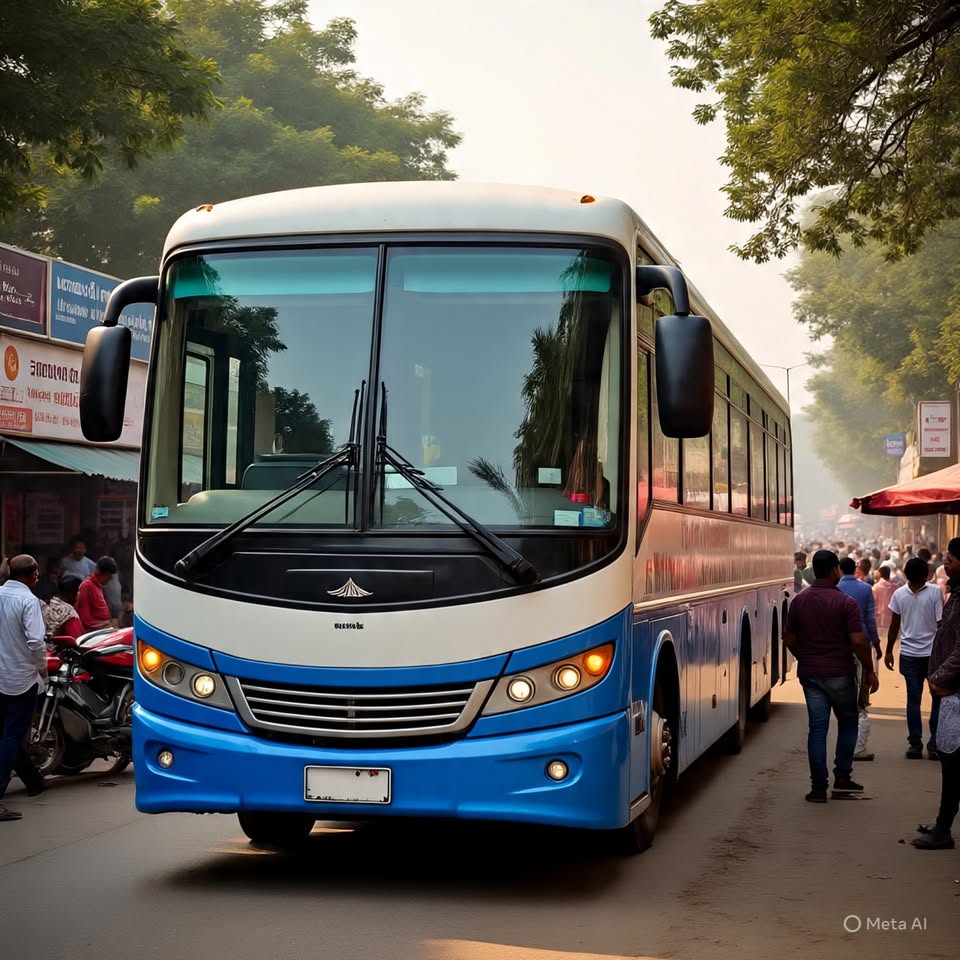

Bus stands in Tamil Nadu operate as more than transport points. They are spaces of waiting, observation, and informal exchange. People arrive early not only to catch buses but to situate themselves within public life.
Unlike planned public squares, bus stands grow organically. Vendors occupy edges. Tea shops cluster nearby. Information circulates through overheard conversations. News travels faster here than through formal channels.
Bus stands collapse social distance temporarily. Farmers, students, office workers, and traders share benches. Hierarchies exist but soften during waiting. Everyone is subject to the same delay.
For migrants and commuters, bus stands serve as orientation points. Arrivals and departures are witnessed collectively. Absence is noticed when routines break.
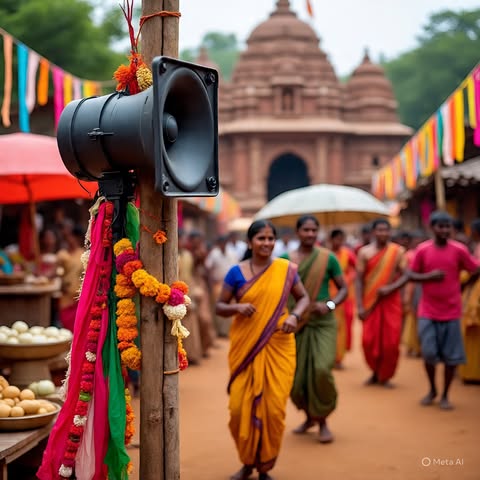
Over decades, bus stands have adapted without losing character. Digital ticketing coexists with shouted destinations. Loudspeakers coexist with mobile phones. The core function remains unchanged — connecting people physically and socially.
Documenting bus stand life reveals how infrastructure shapes behaviour. Waiting together creates shared experience. In Tamil Nadu, that experience has long been public, verbal, and communal.


Comments / கருத்துக்கள்
No comments yet. Be the first to comment!
Leave a comment